
How to Transfer a Maid or Helper in Singapore

HelperPlace
07 May 2026 | 5 min read
Hiring a transfer maid in Singapore, also commonly called a transfer helper or migrant domestic worker, can be a practical option for families who need trusted home support quickly. Many helpers already in Singapore are looking for a new employer after completing a contract, changing households, or seeking a better job match.
A transfer helper can often start faster than a helper hired from overseas. However, the process must still follow the Ministry of Manpower (MOM) requirements carefully. The current employer, the new employer, and the helper all need to cooperate to make the transfer smooth, respectful, and lawful.
In this guide, we explain how to transfer a domestic helper in Singapore, what documents are usually needed, and how to avoid common mistakes during the Work Permit transfer process.
Quick Summary: How to Transfer a Maid in Singapore
To transfer a maid or helper in Singapore, the new employer must get the current employer’s consent, apply for a new Work Permit through MOM’s FDW eService, buy the required security bond and insurance, sign the declaration form with the helper, and issue the Temporary Work Permit on the agreed transfer date.
The helper can only start working for the new employer after the Temporary Work Permit has been issued.
What Is a Transfer Helper in Singapore?
A transfer helper is a migrant domestic worker who is already working in Singapore and is moving from one employer to another without leaving the country.
This situation is common when the current employer is relocating, the helper has completed her contract, the job is not the right match, or a new family wants to hire someone with Singapore experience.
For many families, hiring a transfer helper can be faster and easier because the helper is already familiar with Singapore homes, local routines, childcare, elderly care, cooking, and daily household responsibilities.
Documents and Requirements for Maid Transfer in Singapore
Before starting the maid transfer process in Singapore, the new employer should prepare the key information and documents needed for the Work Permit application.
- Helper’s Work Permit details
- Helper’s passport details
- Current employer’s consent
- Helper’s agreement to transfer
- Valid 6-monthly medical examination status
- Security bond arrangement
- Medical insurance and personal accident insurance
- Signed declaration form after IPA approval
Requirements may vary depending on the case, so employers should always check the latest instructions on MOM’s FDW eService before issuing the new Work Permit.
Step-by-Step Maid Transfer Process in Singapore
Step 1: Check the Helper’s Work Permit
Before the new employer applies for the transfer, it is important to check that the helper’s Work Permit is still valid and that she has completed her required 6-monthly medical examination.
According to MOM, the first steps should be completed at least 30 days before the helper’s Work Permit expires. If her pass is expiring soon, the current employer may need to request a short extension before the transfer can proceed.
Step 2: Get Consent From the Current Employer
The new employer must request the current employer’s consent for the transfer through MOM’s FDW eService. Once the current employer gives consent, the new employer can proceed with the Work Permit application.
This consent is essential. Without the current employer’s agreement, the direct transfer cannot move forward.
Step 3: Apply for the Helper’s New Work Permit
Once consent is given, the new employer can apply for the helper’s new Work Permit through MOM’s FDW eService.
If the application is approved, MOM will issue an In-Principle Approval, commonly known as an IPA. Employers can download the IPA and declaration form through the FDW eService. The application outcome is usually available within about one week, although it may take longer if MOM requires additional information.
Step 4: Buy the Security Bond and Insurance
Before the helper can transfer, the new employer must prepare the required security bond, medical insurance, and personal accident insurance. The helper’s previous insurance does not automatically transfer to the new employer.
Step 5: Sign the Declaration Form
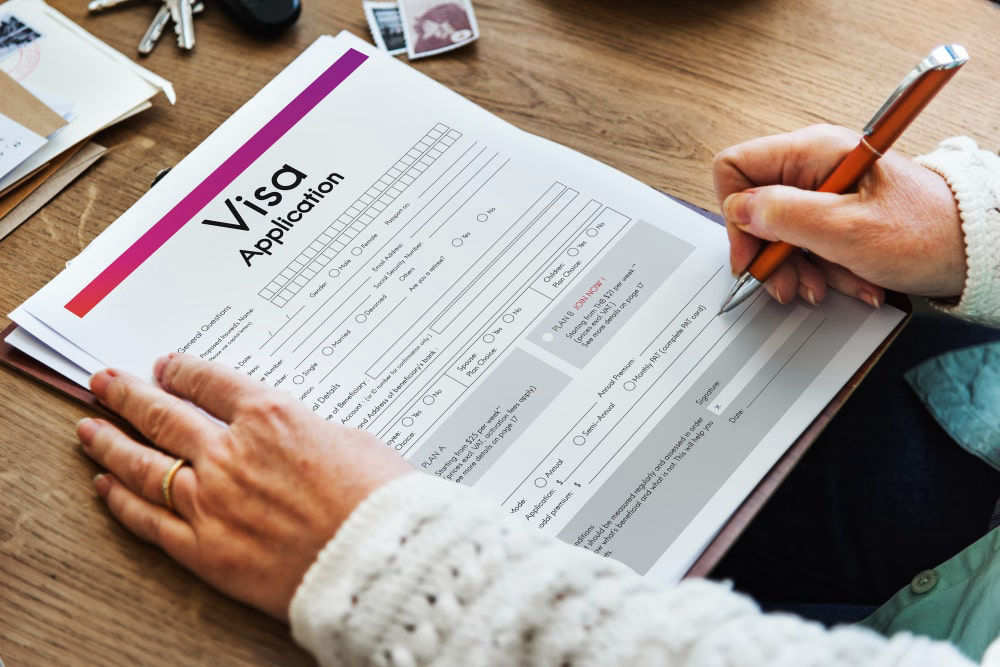
After receiving the IPA, the new employer can print the declaration form from MOM’s FDW eService. The declaration form must be signed by the new employer and the helper.
Before signing, the new employer should make sure the helper clearly understands the job offer, including salary, rest days, main duties, household size, caregiving responsibilities, living arrangement, food, and daily routine expectations.
Step 6: Issue the New Work Permit on the Transfer Date
The current employer and new employer should agree on the transfer date. On that date, the new employer must use MOM’s FDW eService to issue the new Work Permit, upload the signed declaration form, and print the Temporary Work Permit.
The helper can start working for the new employer once the Temporary Work Permit is issued. Once the new Work Permit is issued, the helper’s current Work Permit will be automatically cancelled.
Current Employer Responsibilities
The current employer also has responsibilities during the helper transfer process. They must provide consent through MOM’s FDW eService, continue paying the foreign domestic worker levy until the helper is officially transferred, and care for the helper until the transfer is completed.
Until the helper officially transfers, the current employer remains responsible for her upkeep and well-being, including proper food, accommodation, medical care, and respectful treatment.
Direct Transfer vs Agency Transfer
A direct transfer may be suitable if you have already found a helper, the current employer agrees, and you are comfortable using MOM’s FDW eService. It can be more cost-effective because you may avoid agency placement fees, but you must follow the Work Permit, insurance, bond, and document requirements carefully.
An agency transfer may be helpful if you want professional support, need help with documentation, or prefer someone to guide you through the process. The trade-off is that agency services are not free, so you should always ask for a clear fee breakdown before agreeing.
Common Mistakes to Avoid When Transferring a Helper
Although transferring a helper in Singapore is a common process, small mistakes can delay the transfer or create unnecessary problems.
- Waiting too long: Start early, especially if the helper’s Work Permit is close to expiry.
- Assuming consent is automatic: The current employer must agree to the transfer.
- Forgetting insurance and bond: The new employer must prepare the required coverage before Work Permit issuance.
- Unclear job expectations: Discuss salary, rest days, duties, and household needs before confirming.
- Letting the helper start too early: She should only start after the Temporary Work Permit is issued.
Frequently Asked Questions About Maid Transfer in Singapore
How long does it take to transfer a maid in Singapore?
The Work Permit application outcome is usually available within about one week, although it may take longer if MOM needs more information. The full transfer timeline depends on employer consent, insurance, bond arrangements, and the agreed transfer date.
Can a maid transfer without the current employer’s consent?
For a direct transfer, the current employer’s consent is required. Without consent, the new employer cannot complete the normal direct transfer process through MOM’s FDW eService.
Who pays the levy during the transfer period?
The current employer remains responsible for the foreign domestic worker levy until the helper is officially transferred and the new Work Permit is issued.
When can a transfer helper start work?
The helper can only start working for the new employer after the Temporary Work Permit has been issued.
Final Takeaway
Transferring a helper in Singapore is usually straightforward when everyone cooperates and the MOM steps are followed correctly.
The key points are simple: check the helper’s Work Permit and medical examination, obtain the current employer’s consent, apply for the new Work Permit, prepare the security bond and insurance, sign the declaration form, and issue the Temporary Work Permit on the agreed transfer date.
Whether you choose a direct transfer or work with an employment agency, always keep the process fair, transparent, and respectful.
If you are looking for a trusted nanny, caregiver, housekeeper, transfer maid, or transfer helper in Singapore, HelperPlace can help you connect directly with candidates and make your hiring journey easier.
Find your trusted transfer helper in Singapore today on HelperPlace.